Join Stallard Kane at London Build 2026
Popular Links
Risk AssessmentsHealth & Safety Management SystemsConstruction Phase PlansAccident InvestigationGap AnalysisHealth & Safety PoliciesMethod StatementsSite InspectionsAll Health & Safety Services
Accident InvestigationCompetent PersonConstruction Phase PlansFees For InterventionFire Risk AssessmentsGap AnalysisHealth & Safety AuditsHealth & Safety HandbooksHealth & Safety Management SystemsHealth & Safety PoliciesMethod StatementsRisk AssessmentsSafe Systems of WorkSite InspectionsSSIP Scheme Assistance
Health & Safety
Personalised advice and guidance for businesses of all types and sizes




Popular Services
HR AuditsEmployment ContractsLegal Funding AgreementGrievance ProceduresGDPR and Data ProtectionRedundancyHR Policies and Procedures
HR & Employment Law
Providing tailored HR services that ensure compliance and enhance your overall operations.

Trade Union Notification Duty Article

Stay Compliant: What You Need to Know About Right to Work Checks Before October 2026

Unfair Dismissal Rights Are Changing in 2027: What Employers Need to Know

AI‑Written Grievances: A Help or a Headache for Employers?

Keeping Annual Leave and Holiday Pay Records Simple, Accurate and Compliant
Popular Services
Electrical Installation Inspection & TestingWorkplace Exposure MonitoringFire Alarms & Emergency LightingElectrical Equipment Testing (PAT)Occupational Health SurveillanceFire Door AuditAsbestos ManagementFire Risk AssessmentPAT Test UK
Welcome to PAT Test UKElectrical Equipment Testing (PAT)Calibration ServiceFire Alarms & Emergency LightingFire Extinguisher Maintenance & InstallationElectrical Installation Inspection & TestingNationwide Electrical Testing & Fire Safety Services. Three Services. One Visit.All Risk Solutions Services
Asbestos ManagementCalibration ServiceDSEAR Risk AssessmentElectrical Equipment Testing (PAT)Electrical Installation Inspection & TestingFire Alarms & Emergency LightingFire Door AuditFire Extinguisher Maintenance & InstallationFire Risk AssessmentLegionella Risk AssessmentOccupational Health SurveillancePUWER AssessmentsRacking InspectionsVentilation & Air QualityWorkplace Exposure Monitoring
Risk Solutions
A wide range of checks, surveys and assessments, which can be provided as individual services or as part of a package.
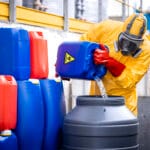
Do You Need a DSEAR Risk Assessment for Your Business

What Are the Legal Requirements for Fire Extinguisher Maintenance and Installation?

Fire Safety: Protecting Your Properties, People, and Business

A Guide to LEV Compliance for Small and Medium Businesses

Avoiding Summer Shutdowns with our Electrical Compliance Solutions
eLearning Platform
Welcome to Stallard Kane's Enhanced eLearning PlatformeLearning WebinarWebinar: How to create your own eLearning course contentFirst Aid & Wellbeing Courses
Supporting Neurodivergent People in the WorkplaceEmergency First Aid at WorkFirst Aid at WorkMental Health First AidWellbeing ChampionLeading Autistic ColleaguesLine Managers Master Class for Mental HealthPaediatric First AidHealth & Safety Courses
Abrasive WheelsControl of Substance (COSHH) Extended Toolbox TalkFace Fit TestingFire Warden TrainingManual HandlingUKATA Asbestos AwarenessHealth & Safety in a nutshellKeeping Your Team Safe On The RoadIOSH & NEBOSH Courses
IOSH Leading SafelyIOSH Managing SafelyIOSH Working SafelyNEBOSH General CertificateNEBOSH National Certificate in Construction Health & SafetyBusiness & Staff Development
Business MentoringEmpowering Communication and CoachingLeadership FundamentalsNVQs
NVQ Level 6 Construction Contracting OperationsNVQ Level 6 Construction Site ManagementNVQ Level 6 Occupational Health and SafetyNVQ Level 7 Construction Senior ManagementDSEAR
DSEAR Risk Assessment Process, Arrangements, Inspection, and DSEAR Coordinator TrainingEmployee DSEAR Awareness TrainingLine Manager and Responsible Person TrainingAll Training Courses
Abrasive WheelsBusiness MentoringCITB Health & Safety AwarenessCITB SMSTS RefresherCITB SSSTS RefresherControl of Substance (COSHH) Extended Toolbox TalkDSEAR Risk Assessment Process, Arrangements, Inspection, and DSEAR Coordinator TrainingEmergency First Aid at WorkEmployee DSEAR Awareness TrainingEmpowering Communication and CoachingExcel AdvancedExcel IntroductionFace Fit TestingFire Warden TrainingFirst Aid at WorkHealth & Safety in a nutshellIntermediate ExcelIOSH Leading SafelyIOSH Managing SafelyIOSH Working SafelyIPAF/MEWP OperatorsLeadership FundamentalsLeading Autistic ColleaguesLine Manager and Responsible Person TrainingLine Managers Master Class for Mental HealthManual HandlingMental Health First AidNEBOSH General CertificateNEBOSH National Certificate in Construction Health & SafetyNVQ Level 6 Construction Contracting OperationsNVQ Level 6 Construction Site ManagementNVQ Level 6 Occupational Health and SafetyNVQ Level 7 Construction Senior ManagementPaediatric First AidPowerPoint IntermediatePowerpoint IntroductionSMSTS (Site Managers Safety Training Scheme)SSSTS (Site Supervisors Safety Training Scheme)Supporting Neurodivergent People in the WorkplaceTraining MatrixUKATA Asbestos AwarenessWellbeing ChampionWord AdvancedWord IntermediateWord IntroductionWorking at Height
Training
Essential training tailored for you, delivered at your site, ours or online

Stallard Kane Joins the CITB Employer Network
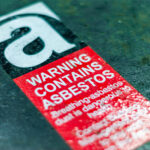
The hidden risks of asbestos exposure and why early action matters

Safety Alert: Four Alcohol-Free Wipes Linked to Infection Risk

Supporting Neurodivergent Employees in the Workplace

Why Manual Handling Training Is Not a Tick Box Exercise (And How It Truly Protects Your People)